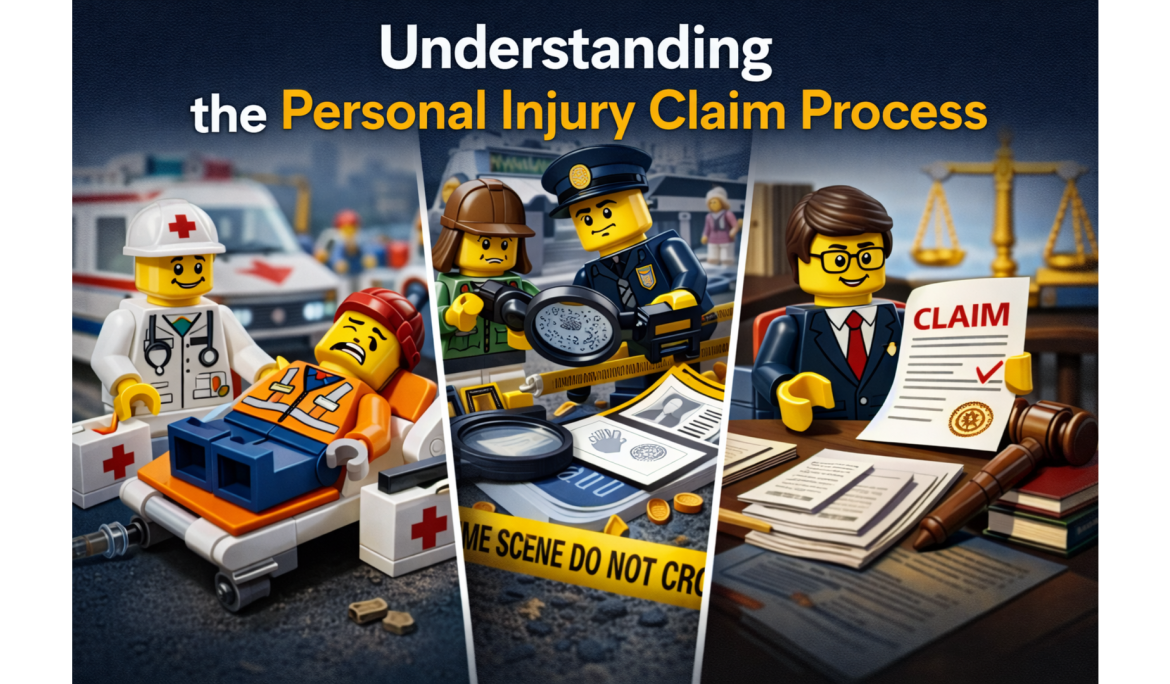
What Happens During a Personal Injury Claim?
Filing a personal injury claim can feel overwhelming, especially if you have never been through the process before. After an accident, injured individuals often have questions about what steps are involved and what to expect as the claim moves forward.
Understanding how a personal injury claim works can help reduce uncertainty and allow you to make informed decisions while protecting your rights.
Initial Medical Treatment and Documentation
The first step in any personal injury claim is seeking medical treatment. Your health should always be the top priority after an accident. Medical records play a critical role in documenting the nature and extent of your injuries.
These records establish a direct connection between the accident and your injuries, which is essential for supporting a claim.
Investigation of the Accident
Once a claim begins, the circumstances surrounding the accident are investigated. This may include reviewing accident reports, gathering witness statements, and examining photographs or video evidence.
The goal of this investigation is to determine how the accident occurred and who may be legally responsible for the injuries.
Filing the Personal Injury Claim
After sufficient evidence is collected, a claim is filed with the at fault party’s insurance company. This claim outlines how the accident happened, the injuries sustained, and the damages being sought.
Many
personal injury claims are resolved through negotiations with insurance companies rather than going to trial.
Negotiations and Settlement Discussions
Insurance companies often respond with settlement offers after reviewing a claim. These offers may not fully reflect the true value of the injuries, medical expenses, and long term impact of the accident.
Negotiations may continue until both sides reach an agreement or determine that settlement is not possible.
Filing a Lawsuit if Necessary
If a fair settlement cannot be reached, filing a lawsuit may be the next step. This formally begins the litigation process and allows the case to move forward in court.
It is important to be aware of the
statute of limitations, which sets a deadline for filing a personal injury lawsuit.
The Discovery Process
During discovery, both sides exchange information and evidence related to the case. This can include medical records, documents, and depositions.
Discovery helps clarify the strengths and weaknesses of each side’s arguments.
Trial or Final Resolution
If a case does not settle, it may proceed to trial where a judge or jury determines the outcome. However, many cases are resolved before reaching this stage.
The resolution of a personal injury claim depends on the specific facts of the case and the evidence presented.
Getting Help With Your Claim
Navigating a personal injury claim involves multiple steps and legal considerations. Understanding what happens during the process can help you feel more prepared.
If you have questions about your situation or want guidance through the claims process,
get in touch for a free consultation.
Frequently Asked Questions
How long does a personal injury claim take?
The length of a personal injury claim varies depending on the complexity of the case, the severity of the injuries, and whether a settlement is reached.
Do all personal injury claims go to court?
No. Many claims are resolved through settlement negotiations without the need for a trial.
What damages can be recovered in a personal injury claim?
Damages may include medical expenses, lost income, pain and suffering, and other losses related to the injury.
What if the insurance company denies my claim?
If a claim is denied, additional legal steps may be available depending on the circumstances.
Why is documentation important in a personal injury claim?
Documentation helps establish liability, prove damages, and support the overall strength of the claim.
Like this:
Like Loading...
Related